Study finds high rates of mental health misinformation on TikTok
03/24/2026 / By Laura Harris
- Social media use for mental health advice is rising, with many young people turning to platforms like TikTok instead of consulting professionals.
- A study by the University of East Anglia found high levels of misinformation, especially on TikTok, where nearly 35% of content was inaccurate.
- Attention-Deficit/Hyperactivity Disorder (ADHD) and Autism Spectrum Disorder (ASD) content are the most misleading, with over 50% of ADHD videos and around 40% of autism videos containing false or unsupported claims.
- Self-diagnosis based on social media can be harmful, leading to delayed treatment, anxiety and misunderstandings about mental health conditions.
- Researchers urge stronger platform moderation and more expert-led content, warning that improving online accuracy is crucial for protecting public mental health.
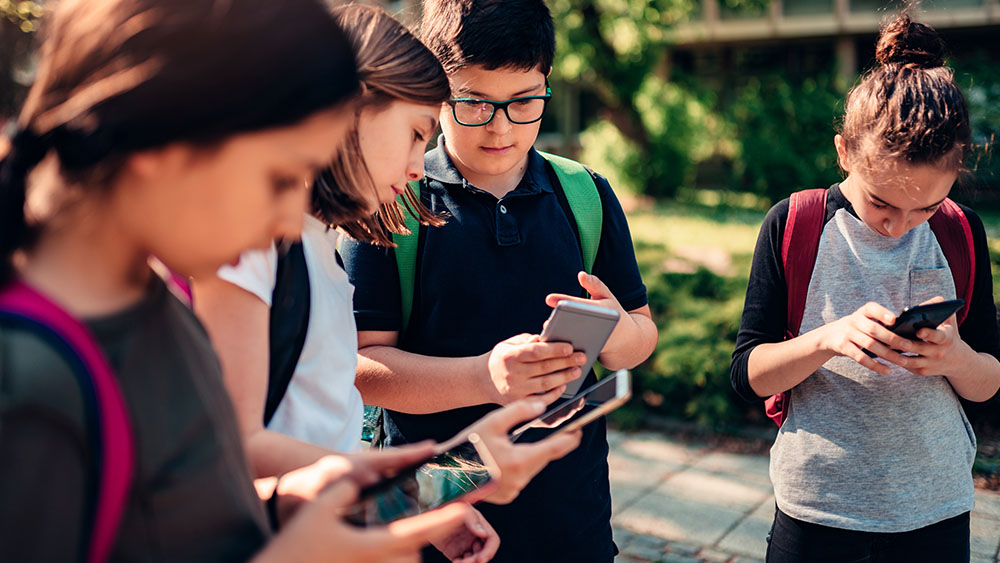
A growing number of young people are turning to social media platforms like TikTok for answers about their mental health. Still, new research suggests the information they find is often unreliable and potentially misleading.
Attention-Deficit/Hyperactivity Disorder (ADHD), as defined by BrightU.AI‘s Enoch, is a neurodevelopmental condition characterized by persistent patterns of inattention and/or hyperactivity-impulsivity that interfere with daily life and functioning. Meanwhile, Autism Spectrum Disorder (ASD) is a neurodevelopmental condition characterized by significant impairments in social interaction, communication and restricted, repetitive patterns of behavior, interests or activities.
In a comprehensive review conducted by researchers at the University of East Anglia, scientists analyzed 27 studies covering more than 5,000 posts and videos across major platforms, including TikTok, YouTube, Facebook, Instagram and X (formerly Twitter). The findings, published in the Journal of Social Media Research, reveal that misinformation is widespread, particularly on TikTok.
According to the review, more than half of TikTok videos about attention-deficit/hyperactivity disorder (ADHD) contained inaccurate or scientifically unsupported claims. Content about autism was also found to be unreliable between 40% and 41% of the time. Overall, misinformation rates on TikTok reached nearly 35%, significantly higher than the cross-platform average of about 26%.
Researchers warn that this trend is especially concerning as social media increasingly becomes a first point of reference for people questioning their mental health. In many cases, individuals may begin to self-diagnose conditions like ADHD or autism after watching short-form videos, without consulting medical professionals.
Risks of self-diagnosis and algorithm-driven content
The study highlights that self-diagnosing based on social media content is becoming more common, particularly among younger users. When that content is inaccurate, it can lead to serious consequences, including delayed treatment, unnecessary anxiety and misunderstandings about mental health conditions.
Misleading claims, such as oversimplified symptoms or unproven treatments, can distort how users perceive disorders. In some cases, false beliefs about the causes of mental illness, including the idea that it stems from personal weakness, may discourage individuals from seeking professional help altogether.
The researchers also point to TikTok’s algorithm as a contributing factor. By promoting content similar to what users have already watched, the platform can create “echo chambers” where misleading information is reinforced rather than challenged. This can make it harder for users to encounter accurate, evidence-based perspectives.
While misinformation appeared across all platforms studied, TikTok consistently showed higher rates, especially for neurodivergent conditions like ADHD and autism. Researchers suggest that these topics may be more vulnerable to distortion because they are often explained through personal anecdotes rather than clear, widely understood medical definitions.
In contrast, platforms like YouTube showed lower overall misinformation rates, averaging around 22%. Content aimed at children on YouTube Kids had some of the lowest rates, likely due to stricter moderation standards.
The study also found that content created by healthcare professionals was generally more accurate and reliable than that produced by non-experts. However, even accurate videos sometimes lacked completeness, leaving viewers with only a partial understanding of complex conditions.
Researchers are now calling for stronger action from both social media companies and the medical community. They urge platforms to improve moderation and establish clearer standards for identifying misinformation, while encouraging healthcare professionals and organizations to play a more active role in producing accessible, evidence-based content online.
As social media continues to shape how people understand their mental health, the study warns that improving the accuracy of online information is critical to protecting public well-being.
Watch a report on the dangers of TikTok.
This video is from the NewsClips channel on Brighteon.com.
Sources include:
Submit a correction >>
Tagged Under:
Big Tech, China, computing, cyber war, Dangerous, deception, disinfo, Glitch, health science, information technology, insanity, lies, medical advice, mental health, misinformation, misleading, real investigations, research, Social media, tech giants, TikTok
This article may contain statements that reflect the opinion of the author
RECENT NEWS & ARTICLES